3D Fabric Material Creation for Game Development
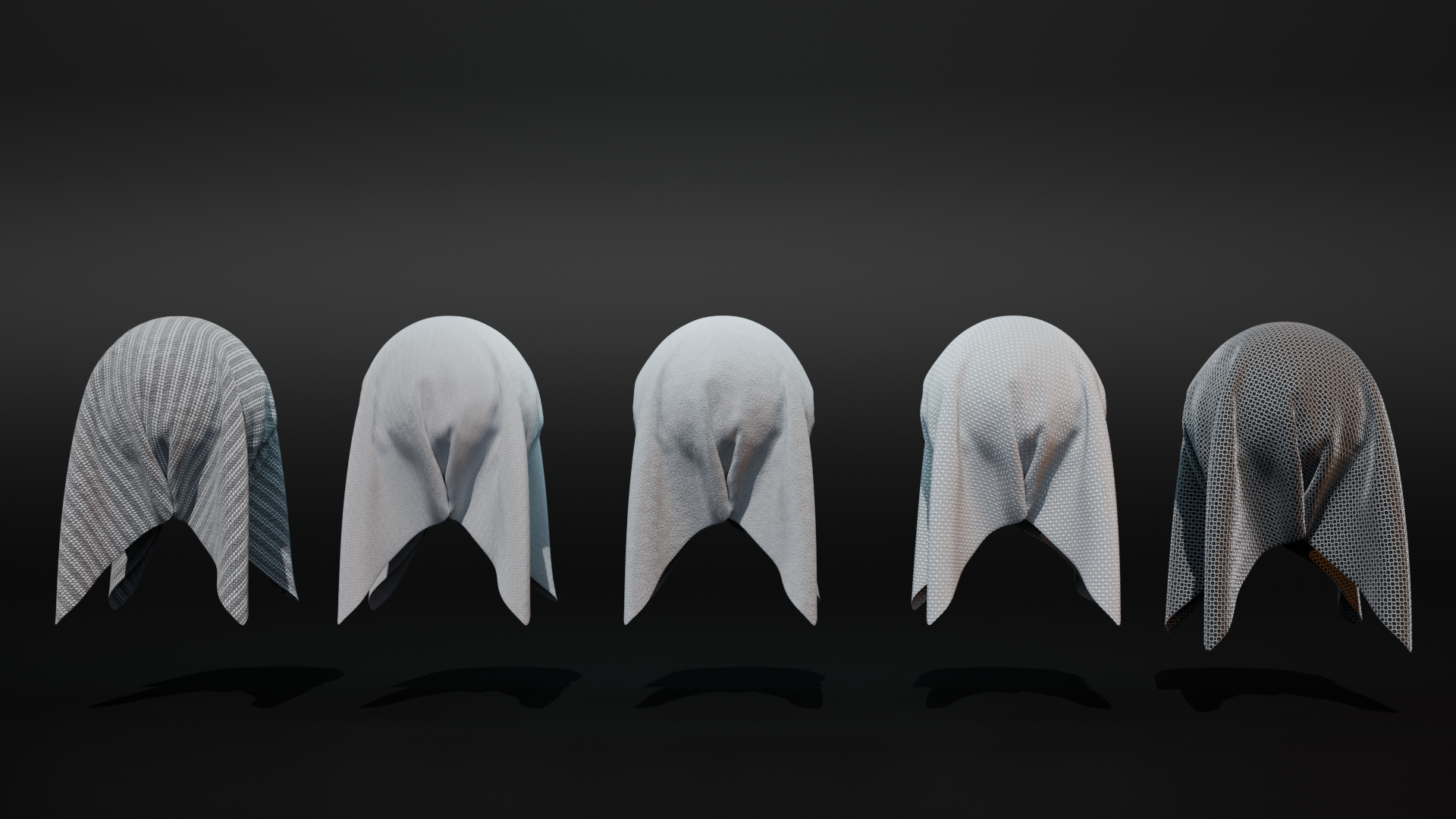
Overview
This project focused on the creation of high-quality 3D fabric materials designed specifically for use in a video game environment. The objective was to develop realistic and optimized materials that enhance visual fidelity while maintaining strong performance within the game engine.
Concept & Direction
The goal was to replicate the look and feel of real-world fabrics in a digital space, ensuring each material conveyed depth, texture, and realism. The direction emphasized a balance between visual quality and technical efficiency, making the materials suitable for real-time rendering.
A variety of fabric types were explored, each tailored to fit different in-game assets such as clothing, environment props, and character accessories.
Design & Development Process
The workflow included material research, texture creation, and implementation within a game-ready pipeline. Key focus areas included:
- Realistic surface detail (weave patterns, folds, and imperfections)
- Physically based rendering (PBR) workflows
- Optimization for performance in real-time engines
- Consistency across different lighting conditions
Each material was carefully crafted to respond naturally to light, enhancing immersion and overall visual quality in-game.
Usage & Application
The 3D fabric materials were designed for integration into:
- Character clothing and accessories
- Environmental assets (furniture, curtains, banners, etc.)
- Cinematic scenes and in-game cutscenes
- Real-time rendering engines such as Unity or Unreal Engine
Outcome
The final result delivers a collection of versatile, high-quality fabric materials that elevate the visual experience of the game. By combining realism with optimization, this project contributes to a more immersive and polished final product, meeting both artistic and technical requirements of modern game development.